
Therapy for New Dads
-

Success, Stability, and Sanity in Yourself
Becoming a dad changes everything—and very few people talk honestly about how disorienting that can be.
Many new fathers find themselves feeling isolated, overwhelmed, and unsure of how they’re supposed to do all of this at once. You may be more involved with your child than dads were a generation ago, yet still feel like there’s no clear model for how to balance work, parenting, partnership, and your own mental health. The expectations keep piling up, the to-do list never ends, and the space to process your own experience quietly disappears.
I work with new dads who are trying to figure out how to stay grounded, capable, and sane during one of the biggest transitions of their lives. This includes working dads, part-time working dads, and stay-at-home dads. Many of the fathers I support feel pressure to be present, productive, emotionally available, and dependable—often without feeling understood or supported themselves.
Common struggles new dads bring into therapy include:
Feeling alone or disconnected, even while constantly needed
Difficulty with motivation, follow-through, and mental load
Overwhelm around managing work, home responsibilities, and parenting
Guilt about not doing “enough,” or feeling like you’re always behind
Tension between personal expectations and what’s realistically possible
Losing touch with your own identity, interests, or sense of self
Therapy isn’t about becoming a “better” dad in some idealized way. It’s about helping you build a life that works in the reality you’re actually living. My work with new dads focuses on practical support—clarifying priorities, creating sustainable routines, and reducing cognitive overload—while also making space for the emotional impact of this transition. This is a place to talk honestly about frustration, grief for your old life, exhaustion, and the parts of parenthood that don’t get said out loud.
If you’re a new dad who feels stretched thin, unseen, or unsure how to keep showing up without burning out, you don’t have to navigate this alone. Support is allowed here.
-
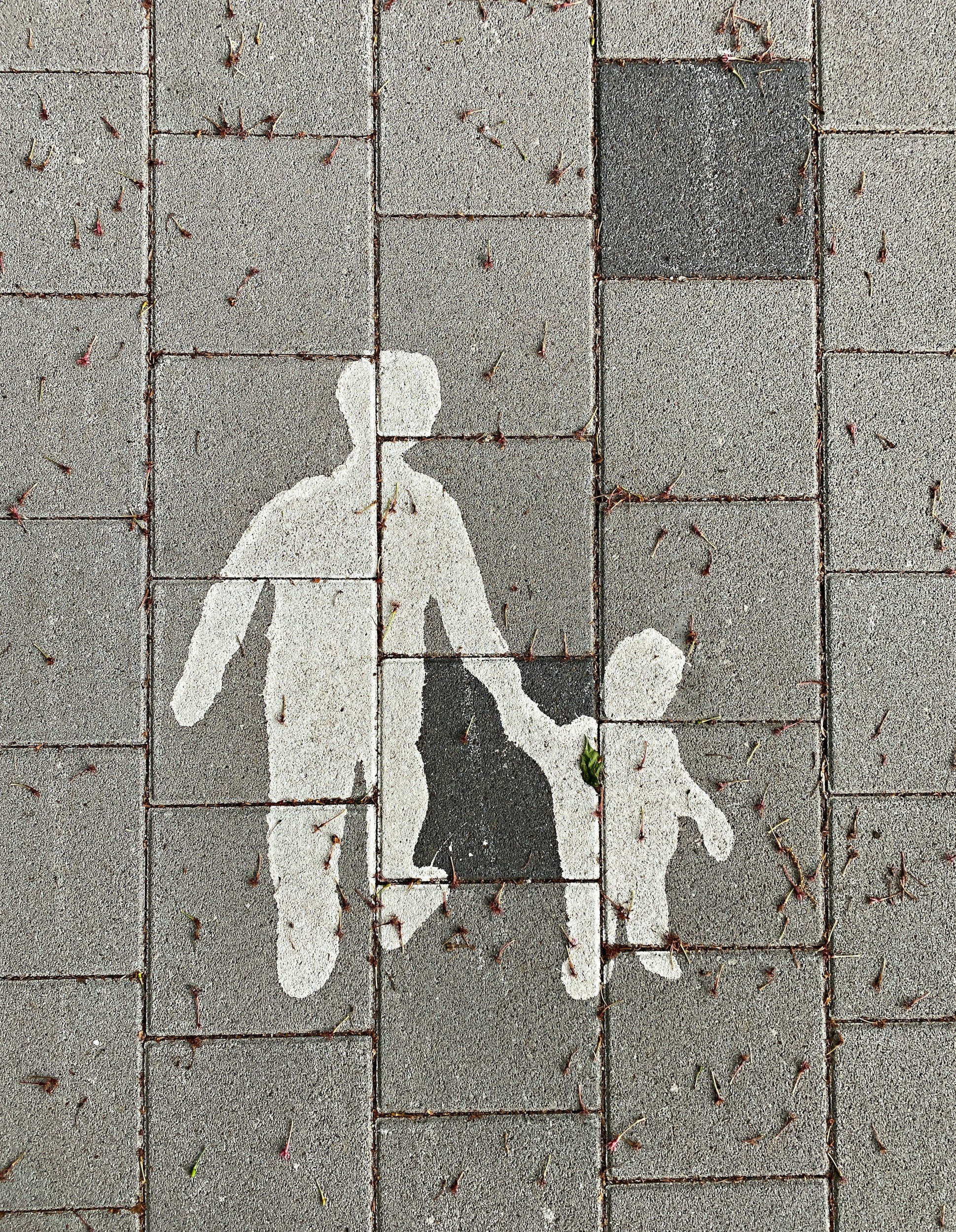
Why New Dads have it so rough
Many new dads are surprised by how heavy this transition feels—not because they don’t love their child, but because so much changes at once and very little of it gets talked about. You may be more involved than previous generations of fathers, yet feel like there’s no clear model for how to balance work, caregiving, partnership, and your own mental health. Expectations increase, time shrinks, and support often drops off right when you need it most.
New dads frequently struggle with isolation, even when surrounded by family. Friendships may fade, routines disappear, and there are few spaces where fathers are encouraged to talk honestly about frustration, fear, or self-doubt. At the same time, many men feel pressure to stay productive, emotionally steady, and reliable—leaving little room to process what they’re actually experiencing.
Other common challenges include difficulty managing mental load and to-do lists, feeling chronically behind, and holding unrealistic expectations about what they “should” be able to handle. For stay-at-home or part-time working dads, this can be compounded by identity confusion, lack of recognition, or feeling out of step with cultural norms around fatherhood and success.
None of these struggles mean you’re failing as a dad. They reflect the reality of trying to do meaningful, demanding work without adequate models or support. Therapy offers a space to name these challenges honestly, reduce the internal pressure, and begin building a version of fatherhood that is steady, sustainable, and grounded in who you actually are.
-

Rediscover meaning and joy with the Gift of Therapy
If you’re a new dad who feels exhausted, unsure of yourself, or quietly overwhelmed, you’re not alone—and you’re not doing anything wrong. This stage of life asks a lot, often without clear guidance or support. Therapy isn’t about pushing you to be more disciplined, more grateful, or more resilient. It’s about giving you a place to slow down, get oriented, and regain a sense of stability in yourself.
With support, many dads find they’re able to think more clearly, manage the mental load more effectively, and feel more confident in their role—at home, at work, and within themselves. Over time, therapy can help you move from simply getting through the days to feeling more grounded, capable, and present with your family.
You don’t need to wait until things fall apart to reach out. If you’re feeling worn down, confused, or stretched thin, this work is about helping you steady your footing and grow into fatherhood in a way that feels sustainable and humane. If you’re ready to invest in your well-being—for your sake and for your child’s—this could be a meaningful next step.